
Which Type of Heating Systems Should You Invest In?(From Radiant Heating to HVAC)
Did you know that the average temperature in Newark, DE, can go down to 26 degrees? Of course, it’s rarely below 13 degrees, but it’s entirely possible for this area.
In the middle of winter, you want to stay warm first and foremost. But there are various heaters to choose from, and it’s difficult to choose which is best. While it can be difficult to choose, this guide will provide a breakdown of beneficial standard heating systems. So read this guide to help you decide which heater is right today!
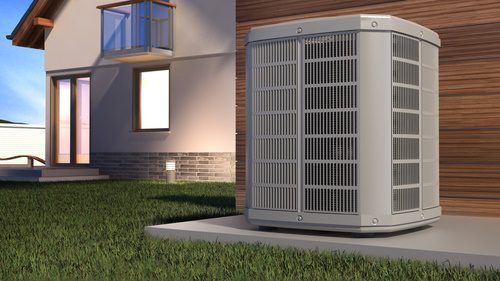
Forced Air Heating
This is one of the most common HVAC systems in the United States. A furnace with a blower fan provides warm air to the house through a network of ducts. It can be fueled by electricity, fuel oil, liquid propane, and natural gas.
Pros:
- Cooling and heating combined
- Highest annual fuel utilization efficiency ratings
- Humidifiers and air filters could be added
Cons:
- Creates allergen-prone air that’s dry
- Requires space in walls and ductwork
- Heat the air instead of objects
In-Floor Radiant Heating Systems
In-floor radiant systems use plastic tubes filled with water underneath timber or concrete floors. This residential heating system will heat your home quietly and remove cold spots.
Lower running costs are common. It could take longer to heat a room. You could also have electrical wires instead of water-filled pipes.
Pros:
- Could be solar-powered
- Energy efficient
- Comfortable since heat is distributed evenly
Cons:
- Maintenance of hidden piping could be difficult
- Expensive to install
- Slow to heat up
Traditional Boilers
A traditional boiler with radiators on the walls is a great option. A boiler circulates steam or hot water through the pipes to the radiators.
Aluminum is a lightweight and energy-efficient option. It comes in a variety of colors, sizes, and shapes. Since you can’t run air conditioning through a boiler system, you’ll need a separate system.
Pros:
- Energy-efficient
- Radiators can be in wall panels or baseboards
- Less dry than forced air
Cons:
- It can’t be combined with air conditioning
- Radiators can take up space
- It might limit window coverings or furniture placement
Gas Furnaces
Gas furnaces tend to be more fuel-efficient than oil. Since gas is common in the U.S., you can find a steady supply.
Natural gas furnaces have higher heating efficiency. While fuel costs less, you’ll need to be in an area with a gas supply.
Gas furnaces don’t require much maintenance. It does provide less heat per BTU than oil, though. While gas furnaces are cleaner and quieter, they cost more than oil.
A Guide to the Various Heating Systems
This guide provides an overview of various heating systems. There are so many choices, so the best option comes down to personal preference.
Contact us today if you’re ready to install or repair your heating system! From radiant heating to gas furnaces, we offer maintenance on a variety of options. If you have any questions along the way, we’re happy to help.