
6 Concerning Ways Poor Air Quality Can Ruin Your Health
The World Health Organization estimates that 9 out of 10 people breathe polluted air. So you can bet that poor air quality, especially indoors is going to affect your well-being.
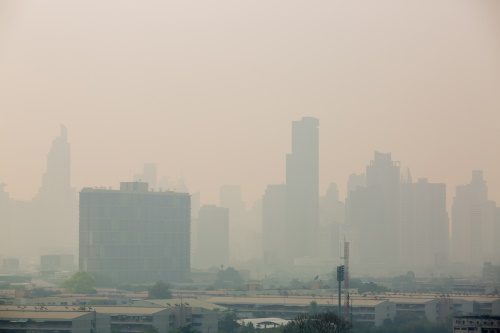
Now there are tons of ways for the quality of air to decline, and with the steady rise of air pollutants and pollution, our health is at a definite risk. Even if you increase your time spent outdoors, the truth is, contaminants like sulfates, carbon, nitrates, and smog are likely to surround you.
Here are just a few ways in which all of these air pollutants negatively affect our well-being.
1. The Growth of Bacteria and Mold
Poor air quality indoors can trigger the growth of mold and bacteria in the nooks and crannies of your home. Your house may be at a higher risk for this kind of pollution if it is not properly ventilated or insulated.
2. Asthma and Allergies
As a direct consequence of the increased spread of mold and bacteria, you will be at a higher risk of contracting asthma. This plus, exposure to dust and other particulate matter outdoors also brings you in direct contact with asthmatic triggers that can induce a runny nose, inflamed airways, allergic reactions or a full-blown asthmatic attack.
3. A Higher Risk of Cancer
Indoor burnings and poor maintenance of basements or other lower-level floors can also increase the emissions of radon and volatile organic compounds (VOC). Higher levels of radon have been associated with various types of lung cancers, and VOCs have also been known to increase one’s risks of cancer as well as asthmatic attacks.
4. Cognitive Impairment in Children
The presence of elements like lead (commonly used in certain paints) and other hazardous construction material can cause developmental problems in children. These effects are particularly common in children who have either ingested or inhaled lead infused air.
5. Headaches, Dizziness, and Fatigue
Poor indoor air quality can also trigger common illnesses like headaches, migraines, dizziness, lethargy, brain fog and fatigue. If you have any of these symptoms, consider getting your home or office inspected to identify its indoor air quality or IAQ.
6. Reduced Life Expectancy
Given that air pollutants have so many negative effects on individual health, it is no surprise that highly polluted cities are associated with a higher mortality rate. Long term exposure causes numerous respiratory diseases and poisonings, most of which are either fatal or potentially fatal.
How Can You Improve Poor Air Quality?
Do you burn indoor fires? Is your house constructed from unhealthy materials? Consider replacing old, dysfunctional equipment like air conditioners, humidifiers or furnaces. These can contribute immensely to the pollutants in your home.
If you suspect that you are prone to poor air quality, the most important thing you can do is track down the contaminators.
Want to improve the air quality in your home? Check out our range of air-friendly products for a healthier alternative!