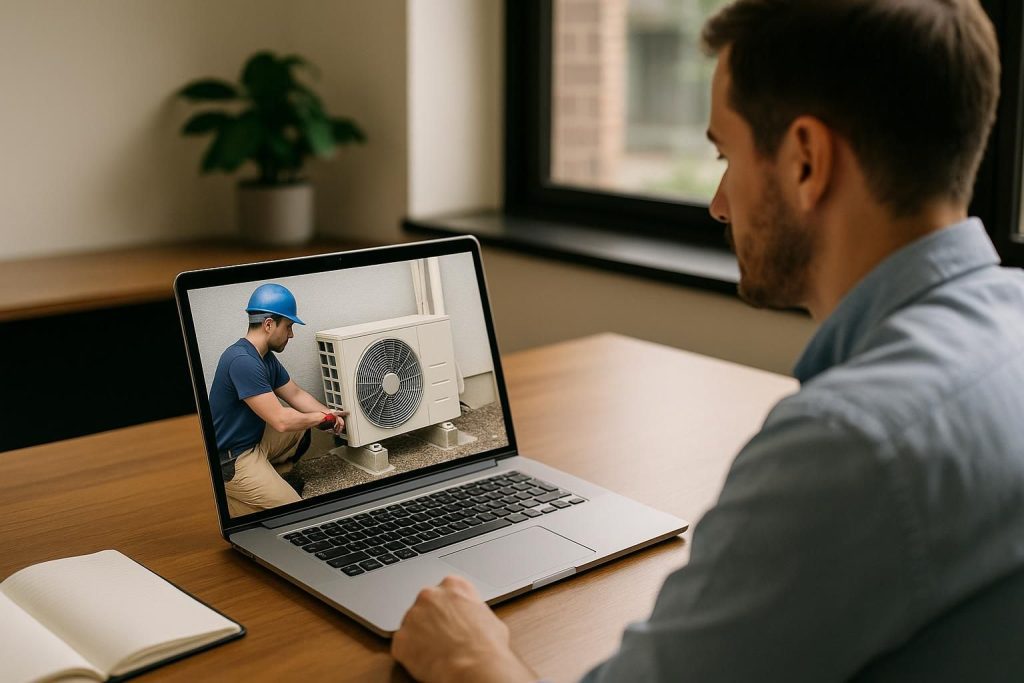
Heat pump how to install is a step-by-step process that prepares your home, meets Delaware codes, and ensures your new system runs efficiently. Skipping the New Castle County permit can trigger fines up to $500 and void your heat pump warranty if you miss Delaware’s 30-day inspection window. In this guide, we’ll walk Newark homeowners through permits, tools, preparation and installation steps.
Key takeaways
- Assess existing insulation and ductwork for optimal heat pump efficiency.
- Select the correct heat pump size and type for your Delaware home.
- Research Newark DE permits and local HVAC installation regulations.
- Always hire certified professionals for safe, efficient heat pump installation.
- Explore financing options and potential energy efficiency rebates.
How to Install a Heat Pump: Step-by-Step
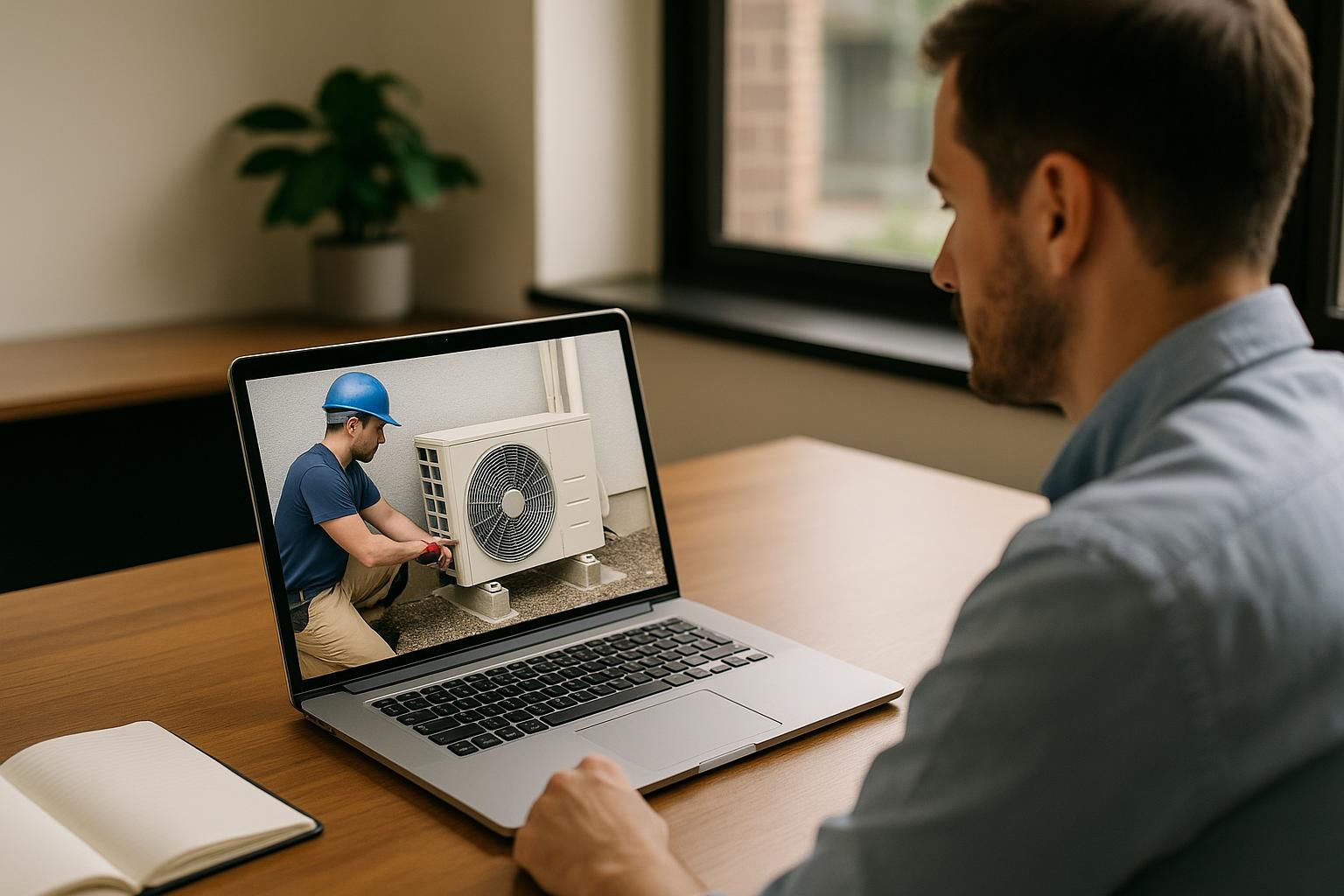
Installing a heat pump system is intricate, requiring specialized tools, technical expertise, and adherence to local building codes. Improper installation can lead to inefficiencies, breakdowns, and safety issues for your Delaware home. For reliable HVAC repair services, it is crucial to choose experienced professionals. Here’s a brief overview of the key stages:
- Load Calculation & Sizing: A professional assesses your home’s unique needs to size the unit correctly, ensuring comfort and energy efficiency from Dover to Elkton. This step is vital for optimal performance, especially when considering high-efficiency heat pumps.
- Component Placement: The outdoor unit is secured on a stable pad, and the indoor unit (air handler or ductless head) is strategically placed for optimal air distribution.
- Connecting Lines: Refrigerant lines, electrical wiring, and condensate drainage are meticulously connected between the indoor and outdoor units, demanding precision. Staying informed about current coolant regulations is also important.
- System Commissioning: The final steps involve evacuating air, charging with refrigerant, and performing rigorous tests to ensure safe, efficient operation.
For complex installations like these, especially for homeowners in Newark and Wilmington, it is always best to contact Enhanced Heating and Air Conditioning for expert guidance and professional service.
Permits and Local Codes in Delaware
Embarking on a heat pump installation, whether you are in Newark, DE or across the bridge in Elkton, MD, means understanding local permits and building codes. This is not just red tape; these regulations ensure your new system is installed safely, operates efficiently, and complies with all structural and electrical standards.
Delaware’s specific requirements can vary between municipalities. What applies in Wilmington might have slight differences in Middletown, for example. Generally, you will need to secure permits for:
- Electrical Work: To ensure your heat pump’s power supply meets safety standards.
- HVAC Installation: Covering the mechanical aspects of the system’s setup.
Ignoring these essential steps can lead to unexpected fines, project delays, or even costly rework. It can also complicate matters if you decide to sell your home later. To navigate these requirements smoothly and ensure your heat pump installation is fully compliant, we recommend you contact Enhanced Heating and Air Conditioning. Our team is familiar with local codes across the region.
Required Tools and Materials
A successful heat pump installation requires specific tools and materials for a safe, efficient, and lasting setup. Precision is key.
Essential Tools
- Basic Hand Tools: Screwdrivers, adjustable wrenches, pipe cutters, a level, and tape measure.
- Specialized HVAC Tools: Vacuum pump, manifold gauge set, flaring tool for refrigerant lines, and a leak detector. Safety glasses and gloves are also essential.
Key Materials
- Heat Pump Unit: Outdoor condenser and indoor air handler (or furnace/coil). Learn more about the benefits of high-efficiency heat pumps for your home.
- Line Set: Pre-insulated copper tubing for refrigerant flow.
- Electrical Wiring: Appropriate gauge wiring for power, plus conduit if local codes require.
- Condensate Drain Line: Manages water produced during operation.
- Mounting Pad/Brackets: For stable outdoor unit placement.
- Thermostat: New smart or programmable thermostat.
Acquiring specialized tools and managing the installation complexity can be a significant undertaking. Many homeowners opt to contact Enhanced Heating and Air Conditioning for expert installation.
Preparing Your Home for Installation
Preparing your home for a new heat pump installation ensures a smoother process. First, clear the installation sites. Ensure clear access around your indoor furnace or air handler, and clear the outdoor area for the new unit of debris and obstructions. This helps our Newark DE technicians work safely and efficiently.
Your electrical system needs review; heat pumps require a dedicated circuit. Ensure easy access to your electrical panel. Older homes in Wilmington DE or New Castle DE might need a panel upgrade, which our team will assess during consultation.
For ducted heat pumps, existing ductwork condition is important. Damaged ducts impact efficiency. Our professionals will inspect thoroughly. These steps set the stage for optimal installation. For a detailed assessment, contact Enhanced Heating and Air Conditioning.
Outdoor Unit Installation
The outdoor unit, or condenser, is critical for your heat pump system’s efficiency. Choosing its location carefully ensures optimal performance. You’ll need a level, stable spot with excellent airflow, ideally away from constant direct sunlight to enhance its heat pump system’s efficiency.
Location and Foundation
Place your unit on a sturdy, level pad, usually concrete or a durable composite. This base provides stability and ensures proper condensation drainage, especially during humid Delaware summers. Avoid areas prone to water pooling or under dripping eaves. Remember to leave adequate clearance around the unit for unrestricted airflow; a cramped unit can’t perform its best.
System Connections
Once secured, professionals connect refrigerant lines, electrical wiring, and the condensate drain. These connections demand precision. Improperly sealed lines or faulty wiring lead to significant efficiency losses and safety risks, impacting homes from Newark to Townsend. For complex tasks like these, it’s often best to contact Enhanced Heating and Air Conditioning for a safe, efficient, and warrantied installation.
Indoor Unit Setup
The indoor unit, or air handler, is your heat pump’s core, circulating conditioned air. Proper placement is vital for efficiency and comfort. For ductless mini-splits, select a clear wall in your Wilmington living room or Newark bedroom for optimal air distribution. Ducted systems usually place the indoor unit, like a furnace, in your attic, basement, or utility closet.
Once the spot is chosen, the unit is securely mounted and leveled to ensure structural integrity and quiet operation. Essential plumbing follows: heat pumps produce condensate that needs proper drainage. Installing the condensate line with the correct slope prevents water damage in your Delaware home. Refrigerant lines and electrical connections are then precisely routed and secured for a sealed system and reliable power.
Due to the complexities of refrigerant, drainage, and electrical wiring, installing the indoor unit is not a DIY task. We recommend consulting a professional. For expert assistance with your heat pump installation, please contact Enhanced Heating and Air Conditioning.
Connecting Refrigerant Lines & Electrical
With your heat pump units in place, connecting refrigerant lines and electrical wiring is the next critical step. These are the system’s arteries and nerves, dictating its performance and longevity for homes throughout Newark and Wilmington.
Refrigerant line connections demand precision. This involves expert flaring and brazing for airtight seals, followed by a deep vacuum to remove moisture and impurities. Mistakes lead to leaks, poor efficiency, and costly repairs, impacting your comfort in Bear or Middletown.
Equally critical are the electrical connections. This powers both units and enables their communication. High-voltage work necessitates understanding electrical codes and strict safety procedures. Incorrect wiring is a fire hazard and can severely damage your heat pump.
Given the specialized tools, technical knowledge, and safety risks, these tasks are professional-grade. For a secure, efficient, and code-compliant installation, we highly recommend you contact Enhanced Heating and Air Conditioning.
Testing and Commissioning
After your heat pump installation, the job culminates with thorough testing and commissioning. This vital step ensures your new system operates perfectly, delivering efficient heating and cooling to your Newark DE home from day one. Consider it a final quality assurance check for your comfort system.
Professional commissioning involves critical assessments. Technicians verify the refrigerant charge, ensuring it meets precise manufacturer specifications. They also measure airflow and temperature differentials, confirming the system delivers its promised heating and cooling capacity. This fine-tunes components for peak performance and efficiency.
Essential Commissioning Checks:
- Refrigerant Charge: Verified for efficiency and longevity.
- Electrical Connections: All wiring secured and correct.
- Operational Modes: Testing both heating and cooling cycles.
- Thermostat Function: Ensuring proper communication.
- Leak Detection: Identifying any potential refrigerant leaks.
This meticulous process guarantees your heat pump runs efficiently, saving you on energy costs whether you’re in Wilmington DE or Townsend DE. If these steps seem complex, experienced professionals excel at this. You can always contact Enhanced Heating and Air Conditioning for expert assistance.
Maintenance Tips for Delaware Heat Pumps
Once your heat pump is professionally installed, keeping it running efficiently year-round, from the humid summers in Wilmington to the chilly winters in Newark, hinges on consistent maintenance. Think of it like tuning up your car; a little proactive care goes a long way in preventing bigger problems and extending its lifespan.
Simple Steps You Can Take
- Change Air Filters Regularly: This is perhaps the easiest and most impactful task. A dirty filter restricts airflow, making your heat pump work harder and consume more energy. Check your filter monthly and replace it every 1-3 months, especially during peak seasons. For more details on proper care, explore everything you need to know about HVAC air filters.
- Clear Around the Outdoor Unit: Ensure the outdoor condenser unit is free from leaves, grass clippings, and other debris. Proper airflow here is vital for efficient operation.
For a comprehensive check-up, especially before heating or cooling seasons, consider scheduling a professional tune-up. Our certified technicians at Enhanced Heating and Air Conditioning can inspect refrigerant levels, electrical connections, and moving parts, ensuring your system operates optimally across Delaware and Maryland. Regular heat pump maintenance can also help you save money on energy bills and prevent unexpected breakdowns when you need your heat pump most. If you need expert assistance, you can always contact Enhanced Heating and Air Conditioning.
Frequently Asked Questions
Is it possible for a homeowner to install a heat pump without professional assistance?
Installing a heat pump involves intricate electrical connections, refrigerant handling, and precise sizing, which are best left to certified professionals. Attempting a DIY installation can void warranties, lead to inefficient operation, or even pose safety risks, making it wise to contact Enhanced Heating and Air Conditioning for expert heat pump service in the Newark area.
What initial steps should a homeowner take before scheduling a heat pump installation?
Begin by assessing your home’s specific heating and cooling needs and considering its overall size and insulation levels. Research local HVAC contractors in your Delaware or Maryland service area, and obtain multiple quotes to compare services and costs effectively.
What permits or inspections are typically required for heat pump installation in Delaware and Maryland?
Yes, heat pump installations in regions like Wilmington DE or Elkton MD usually require permits and subsequent inspections. These measures ensure your new system complies with local building codes and safety regulations. A reputable contractor will manage all necessary paperwork and scheduling for you.
How long does a standard residential heat pump installation usually take?
The duration of a heat pump installation can vary based on the system type and the complexity of your home’s setup, but most residential projects are completed within one to three days. This timeline includes removing old equipment, installing the new unit, connecting all lines, and performing comprehensive system testing.
How can I ensure the correct heat pump size is chosen for my home in the Delaware Valley?
Selecting the right size heat pump is essential for achieving optimal performance and maximum energy efficiency . A professional HVAC technician will conduct a thorough load calculation, accounting for factors such as your home’s square footage, insulation, window types, and the specific climate conditions in areas like Middletown or Dover.
Conclusion
Draws on Enhanced Heating & Air Conditioning’s decades of local experience and knowledge of Delaware’s climate and codes.
About the Author
Joe Brooks – Enhanced Heating and Air Conditioning is an A+ BBB accredited, family-owned HVAC contractor located at 68 Albe Drive, Newark, DE 19702, providing 24/7 emergency services and standard office hours from 7:30am to 4:30pm Monday through Friday. They serve a broad region including Newark, Wilmington, Bear, Glasgow, Pike Creek, Hockessin, Greenville, New Castle, Delaware City, Claymont, Middletown, Townsend, Odessa, Smyrna, and Dover in Delaware, plus Elkton and Cecil County in Maryland. Their service offerings include the installation, repair, and maintenance of gas furnaces, heat pumps, electric heaters, central air conditioning systems, and ductless mini-splits, as well as plumbing services such as water heater replacement, boiler installation, and gas valve replacement. They also provide indoor air quality solutions, including air cleaners and humidifiers. The company is an Energy Star participant and a multi-year HomeAdvisor award winner that offers financing through Synchrony Financial.

Joe Brooks is the owner of Enhanced Heating & Air Conditioning and has more than 23 years of experience serving homeowners and businesses in and around Newark Delaware. Over the past two decades, Joe has built Enhanced Heating & Air Conditioning by helping customers with heating, air conditioning, indoor air quality, HVAC maintenance, and system installation needs. His articles draw on years of hands-on industry experience and the real questions Enhanced customers ask about keeping their homes comfortable, efficient, and reliable. Joe and the Enhanced team serve Newark and communities throughout New Castle County and the surrounding Delaware area.