
Central Cooling Setup: A Complete Guide for Homeowners in Newark, DE
A central cooling setup is essential for maintaining a comfortable indoor climate during hot summer months. This system efficiently distributes cool air throughout your home, ensuring consistent temperatures and improved air quality. Understanding how to select and maintain your central cooling system will enhance comfort and energy efficiency.
What Is a Central Cooling Setup?
A central cooling setup involves a network of components designed to cool an entire home. It typically includes an air conditioning unit, ductwork, an air handler, and a thermostat. The system works by circulating refrigerant through the condenser unit outside your home, absorbing heat from indoor air. This process lowers indoor temperatures while removing humidity, resulting in a more comfortable environment.
Key Components of Central Cooling Systems
- Air Handler: This component circulates conditioned air through the ductwork.
- Condenser Unit: Located outside, it dissipates heat absorbed from the indoor air.
- Ductwork: Channels that distribute cooled air throughout your home.
- Thermostat: Controls the temperature settings and operation of the system.
Understanding these components helps you appreciate how they work together to create a reliable cooling solution.
How Does Central Cooling Work?
Central cooling systems operate on basic principles of thermodynamics. Here’s how they function step-by-step:
- Heat Absorption: The refrigerant inside the evaporator coil absorbs heat from the indoor air.
- Cooling Cycle: The compressor pumps this heated refrigerant to the condenser unit outside.
- Heat Release: The condenser releases heat into the outdoor environment as the refrigerant condenses back into liquid form.
- Air Distribution: Cooled air is circulated back indoors via ductwork.
This cycle continues until your desired temperature is reached as set on your thermostat.
Energy Efficiency Ratings
When selecting a central cooling system, consider its energy efficiency rating (SEER). A higher SEER rating indicates greater efficiency; for instance, systems with ratings above 16 are considered highly efficient and can save you significant costs on energy bills over time [Source].
Benefits of Central Cooling
Investing in a central cooling setup offers several advantages:
- Enhanced Comfort: Achieves consistent temperatures across all rooms in your home.
- Improved Air Quality: Filters out pollutants and allergens through regular circulation.
- Increased Home Value: A modern HVAC system can increase property value significantly [Source].
- Energy Savings: Efficient systems reduce overall energy consumption by optimizing performance.
Choosing a reliable HVAC provider ensures you maximize these benefits while minimizing potential issues associated with installation or maintenance.
Local Climate Considerations
Newark experiences hot summers with average high temperatures reaching 88°F (31°C) in July [Source]. A robust central cooling setup can help manage these extremes effectively while providing peace of mind during peak usage periods.
How to Maintain a Central Cooling System
Regular maintenance is vital for optimal performance and longevity of your central cooling system:
- Change Air Filters Regularly: Replace filters every 1–3 months depending on usage to ensure proper airflow and improve efficiency.
- Schedule Annual Inspections: Have professionals assess your system yearly to identify potential issues early on.
- Clean Condenser Coils: Ensure coils are free from debris to facilitate efficient heat exchange.
- Check Refrigerant Levels: Low levels may indicate leaks; maintaining appropriate levels is crucial for effective operation.
By following these steps, you can extend the life of your equipment while ensuring efficient operation throughout its lifespan.
Emergency Maintenance Tips
In case of unexpected breakdowns or inefficiencies:
- Check thermostat settings first; ensure it’s set correctly.
- Inspect circuit breakers for tripped switches that may need resetting.
- Look for visible signs of wear or damage around ducts or units that may require professional attention immediately.
Checklist for Your Central Cooling Setup
To ensure you’re fully prepared for installing or maintaining your central cooling system:
- [ ] Assess current HVAC needs based on home size and climate challenges
- [ ] Research reputable local HVAC providers
- [ ] Verify SEER ratings when considering new systems
- [ ] Create a regular maintenance schedule
- [ ] Document any repairs or upgrades made over time
By staying proactive about maintenance and understanding how your central cooling setup works, you will enjoy lasting comfort within your Newark home year-round.
Frequently Asked Questions
What Are Common Signs My Central Cooling System Needs Repair?
Look out for inconsistent temperatures between rooms, unusual noises during operation, or increased energy bills without changes in usage patterns.
How Long Does Installation Take?
Most installations can be completed within one day but may vary based on specific requirements like ductwork modifications or additional features.
Can I Install Central Cooling Myself?
While some homeowners attempt DIY installations, it is recommended to hire certified technicians due to complexity involving electrical work and refrigerants which require specific handling protocols according to EPA regulations [Source].
For further assistance with choosing or maintaining your central cooling setup in Newark, reach out directly through our website at Enhanced Heating and Air Conditioning.
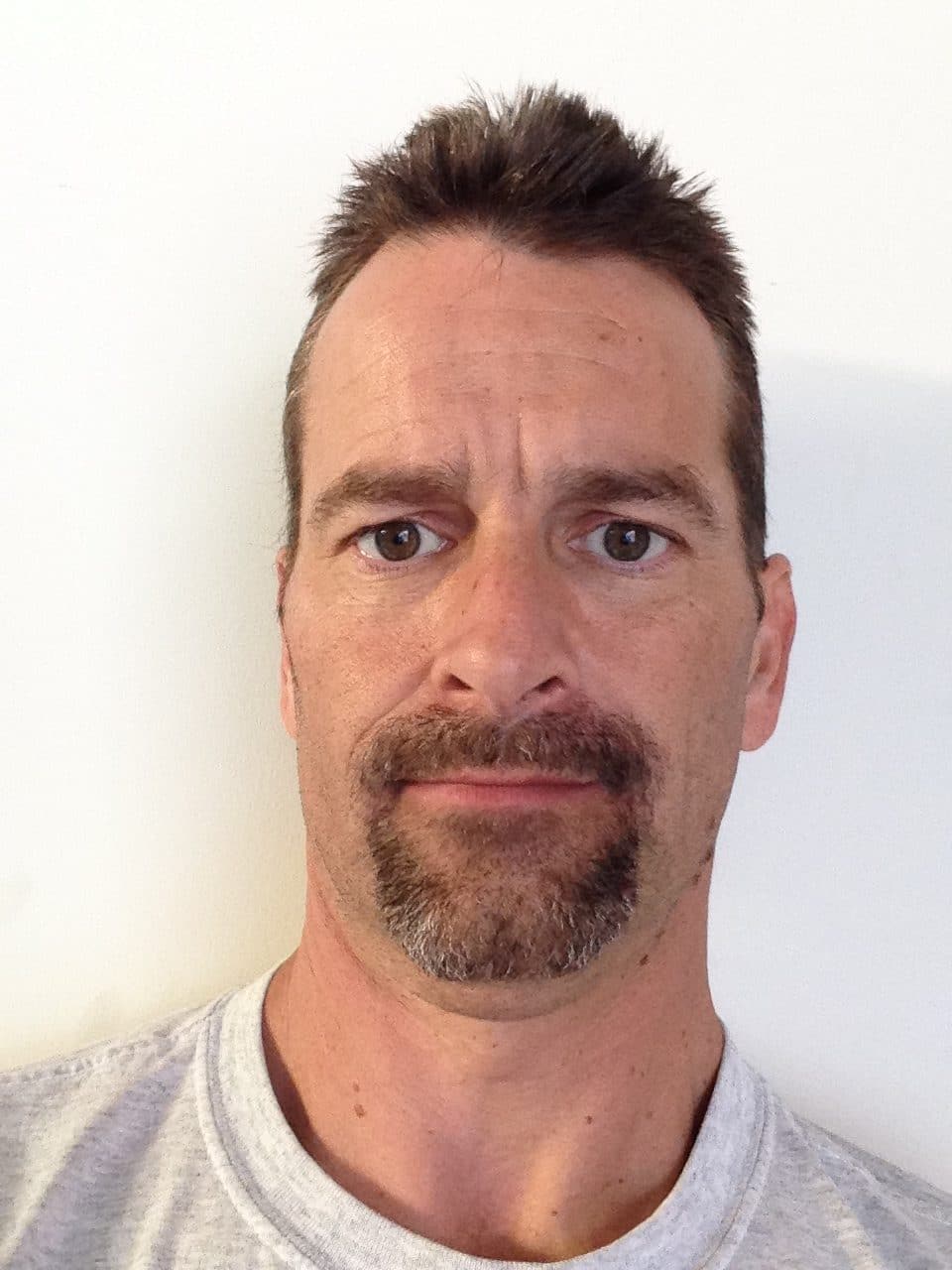
Joe Brooks is the owner of Enhanced Heating & Air Conditioning and has more than 23 years of experience serving homeowners and businesses in and around Newark Delaware. Over the past two decades, Joe has built Enhanced Heating & Air Conditioning by helping customers with heating, air conditioning, indoor air quality, HVAC maintenance, and system installation needs. His articles draw on years of hands-on industry experience and the real questions Enhanced customers ask about keeping their homes comfortable, efficient, and reliable. Joe and the Enhanced team serve Newark and communities throughout New Castle County and the surrounding Delaware area.