Gas Furnace Vs Electric Furnace: Which Costs Less to Run?
Gas furnace vs electric furnace comparison shows gas units cost $3,200–$6,500 to install but run about 25% cheaper annually under Delaware’s rates. Choosing the wrong system could add over $300 to your winter heating bill or cost you up to $500 in missed Delaware and Maryland rebates. This guide covers regional fuel costs, energy efficiency, and local installation factors so homeowners in Newark and Wilmington can make the right choice.
Key takeaways
- Gas furnaces typically have lower operating costs due to natural gas prices.
- Electric furnaces usually present lower upfront installation expenses.
- Natural gas provides powerful and quick heating for your home.
- Electric furnaces are 100% efficient, yet electricity can be a costlier fuel.
- Assess gas line availability at your property before deciding.
- Always compare current local natural gas and electricity rates.
Gas Furnace vs Electric Furnace: Overview
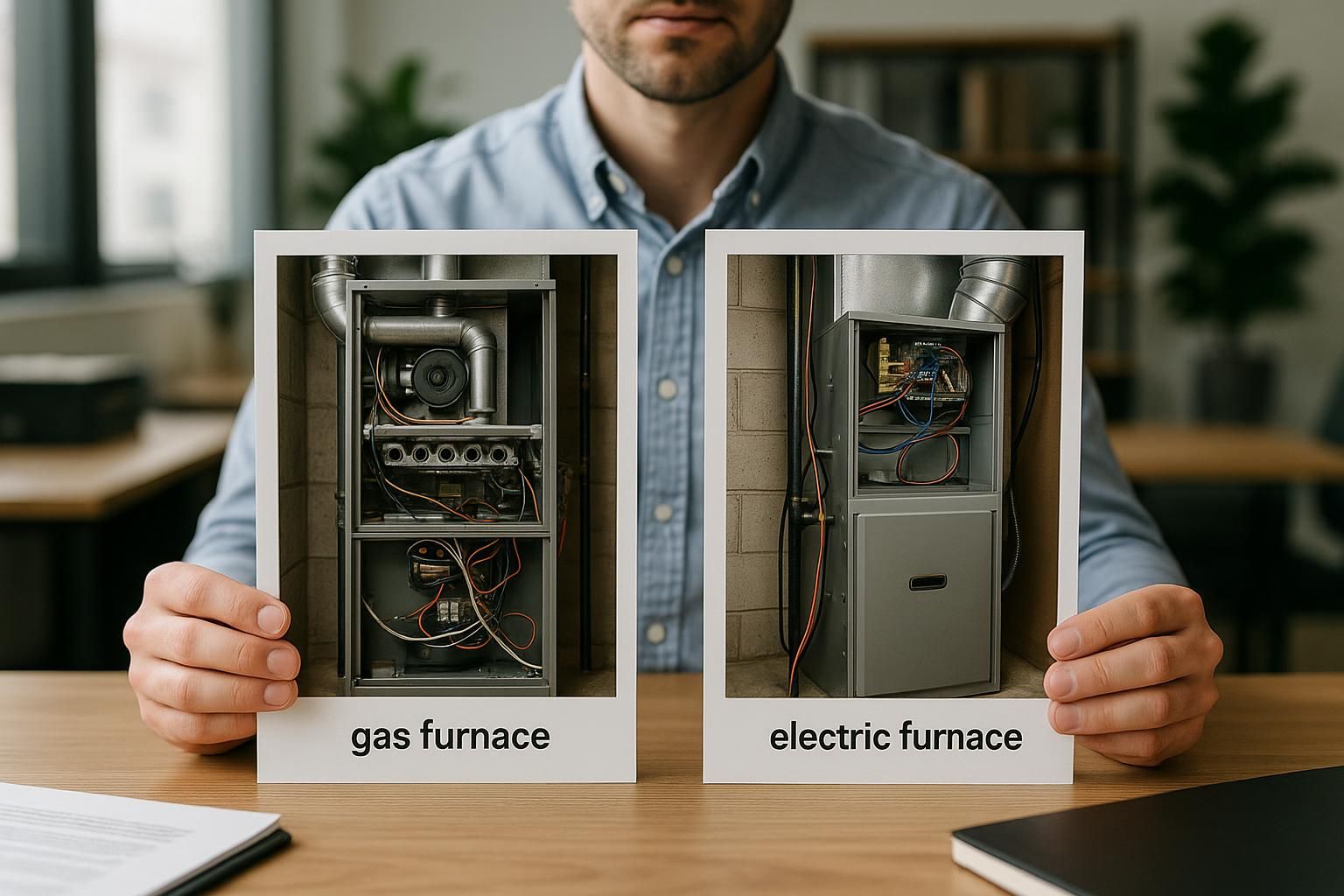
When it comes to heating your home, especially during those brisk Delaware winters, understanding your primary heating options is crucial. For many homeowners in areas like Newark, Wilmington, or Bear, the choice often comes down to a gas furnace or an electric furnace. Both systems are designed to keep you warm and cozy, but they achieve this in fundamentally different ways, each with its own set of advantages and considerations.
To give you a quick snapshot, here is a comparison of these two common heating solutions:
| Feature | Gas Furnace | Electric Furnace |
|---|---|---|
| Fuel Type | Natural Gas or Propane | Electricity |
| Initial Cost | Generally higher | Generally lower |
| Operating Cost | Often lower (depends on utility rates) | Often higher (depends on utility rates) |
| Heat Output | Stronger, more immediate heat | Consistent, steady heat |
| Installation Complexity | Requires gas line, venting | Requires electrical wiring |
| Lifespan | 15 to 20 years | 20 to 30 years |
| Environmental Impact | Emits greenhouse gases | Varies by electricity source |
While the upfront cost of an electric furnace can be appealing, especially if your home already lacks a natural gas line, the ongoing operational costs can sometimes tip the scales. Gas furnace solutions typically offer a powerful, immediate warmth that many appreciate when the temperatures truly drop across towns like Middletown or Elkton, MD. We understand these decisions can feel complex, and if you’re weighing your options, you can always contact Enhanced Heating and Air Conditioning to discuss your home’s specific needs.
Comparing Costs: Installation and Operation in Delaware
When considering a new furnace for your Delaware home, understanding the financial differences between a gas furnace and an electric furnace is crucial. It is not just about the initial price tag; ongoing operational costs play a significant role in your overall heating budget in areas like Newark or Wilmington.
Here is a quick look at how these two popular heating systems stack up:
| Feature | Gas Furnace | Electric Furnace |
|---|---|---|
| Installation Cost | Typically higher, especially if new gas lines or venting are required. Enhanced Heating and Air Conditioning’s heat installations generally range from $2,500 to $7,500. | Often lower upfront, but may require electrical service upgrades depending on your existing setup. |
| Operational Cost | Generally lower, as natural gas prices often remain more competitive for heating than electricity in our service region, including Middletown and Bear. | Generally higher, directly tied to fluctuating electricity rates. |
| Fuel Type | Natural Gas or Propane | Electricity |
| Efficiency (Heat Output) | Modern units boast high Annual Fuel Utilization Efficiency (AFUE) ratings, up to 98%, providing powerful, quick heat. | 100% efficient at converting electricity into heat, but the cost per unit of energy can be higher. |
Your installation cost can vary significantly based on whether your home already has natural gas lines and appropriate ductwork. For instance, converting from electric to gas in an older Glasgow home might involve extensive gas line installation, increasing the initial investment. Conversely, upgrading an existing electric furnace can be less complex.
Regarding daily operation, while electric furnaces are 100% efficient at converting electricity into heat, the cost of electricity per unit of heat often surpasses that of natural gas. This means that, despite the upfront savings, an electric furnace could cost more to run each month, particularly during harsh winters in Dover or Elkton. To explore your specific options and get tailored advice, we recommend you contact Enhanced Heating and Air Conditioning.
Energy Efficiency and Performance
When you are weighing a gas furnace versus an electric furnace, their efficiency and how they perform directly impact your comfort and wallet. Understanding these differences is key to making the best choice for your home in areas like Newark, DE, or even further afield in Elkton, MD.
| Feature | Gas Furnace | Electric Furnace |
|---|---|---|
| Primary Fuel | Natural Gas (or Propane) | Electricity |
| Efficiency Rating | AFUE (Annual Fuel Utilization Efficiency) typically 80-98.5% | 100% (at the point of use) |
| Heat Generation | Combustion of gas creating flame | Electric resistance coils |
| Heat Delivery | Strong, consistent warm air | Immediate, can feel slightly drier |
| Operational Cost Driver | Price of natural gas | Price of electricity |
A gas furnace’s efficiency is measured by its AFUE rating. This number tells you what percentage of the fuel consumed is converted into usable heat for your home, with the rest typically escaping through the flue. Modern gas furnace installation boasts impressive AFUE ratings, often above 90%, meaning very little heat is wasted.
Electric furnaces, on the other hand, convert nearly 100% of the electricity they consume directly into heat. Sounds fantastic, right? While this is true at the point of use, the efficiency of electricity generation at the power plant and its transmission losses can mean a larger overall environmental and cost footprint upstream. Your monthly energy bill in Wilmington, DE or Townsend, DE will ultimately depend on the fluctuating costs of HVAC services in our region.
Beyond numbers, consider performance. Gas furnaces often deliver a robust, consistent heat that quickly warms your entire home. Electric furnaces provide very fast, albeit sometimes drier, heat. Both systems are reliable, but understanding these nuances helps you choose wisely, especially when replacing an HVAC unit. To discuss which option might be best for your specific needs, we encourage you to contact Enhanced Heating and Air Conditioning.
Environmental Impact and Indoor Air Quality
Choosing between a gas and electric furnace involves crucial environmental and indoor air quality considerations for your home, from Wilmington DE to Elkton MD. Understanding these differences helps you make an informed decision when it comes to selecting a new HVAC system for your family’s health and safety.
Here is a quick comparison:
| Aspect | Gas Furnace | Electric Furnace |
|---|---|---|
| Direct Emissions | Produces greenhouse gases (CO2, methane) at home. | No direct emissions at home; clean at point of use. |
| Indirect Emissions | Emissions from natural gas extraction/transport. | Emissions depend on utility’s electricity generation (coal, renewables, etc.). |
| Indoor Air Quality Concerns | Potential for carbon monoxide (CO) leaks if not properly vented; releases nitrogen oxides. | No combustion, so no risk of CO or other combustion byproducts inside. |
| Ventilation Needs | Requires robust, sealed venting for combustion gases. | No specialized venting needed, only return and supply ducts. |
Gas furnaces directly burn natural gas, releasing greenhouse gases. Electric furnace emissions shift to the power plant, becoming greener as grids like those serving Newark DE adopt more renewable sources. Electric high-efficiency heat pumps offer particularly low environmental footprints.
For indoor air quality, electric furnaces generally pose fewer concerns, eliminating combustion risks like carbon monoxide leaks. Gas furnaces, while safe when maintained, require vigilant monitoring and regular professional checkups to ensure gas heating safety and prevent leaks. Carbon monoxide detectors are vital for homes with gas furnaces. If you have concerns about your system’s safety, contact Enhanced Heating and Air Conditioning for expert advice.
Local Incentives, Rebates, and Financing Options
Incentives, rebates, and financing impact your heating investment. Homeowners in Newark, Middletown, and Elkton find programs for affordable upgrades.
| Option Type | What it Does | Key Considerations | How it Helps You |
|---|---|---|---|
| Federal Tax Credits | Lowers your tax bill for energy-efficient heating systems. | Requires qualifying equipment, such as Energy Star rated models. | Reduces your overall installation cost at tax time. |
| State/Local Rebates | Direct money back or discounts on purchase or installation. | Varies significantly by location, for example, between Delaware and Maryland. | Immediately lowers your upfront expenses on qualifying units. |
| Utility Programs | Special offers from your energy provider, like Delmarva Power. | Often tied to energy audits or specific high-efficiency system upgrades. | Can offer significant savings and help you choose efficient models. |
| Financing | Spreads the cost of your new furnace over time with manageable payments. | Subject to credit approval, interest rates may apply. | Makes high-efficiency systems more accessible and affordable. |
Federal, state, and local utility programs, like Delmarva Power’s, encourage efficient heating. Delaware finds rebates for heat pumps or furnaces; Cecil County, Maryland, explores similar energy programs.
Financing is key. A new furnace installation is an investment, yet flexible payment plans make it manageable. Enhanced Heating and Air Conditioning offers convenient financing options via Synchrony Financial, ensuring affordable comfort.
Navigating complex options requires professional advice. For personalized advice and heating solutions, contact Enhanced Heating and Air Conditioning today.
Choosing the Right System for Your Home
Deciding between a gas furnace and an electric furnace can feel like choosing a furnace, which sets your home on one of two very different paths for comfort. Both offer reliable warmth, but they come with distinct advantages and considerations that influence both your initial investment and your ongoing energy bills.
| Feature | Gas Furnace | Electric Furnace |
|---|---|---|
| Initial Cost | Higher (requires gas line, venting) | Lower |
| Operating Cost | Often lower (natural gas typically cheaper) | Often higher (electricity costs can fluctuate) |
| Energy Efficiency | High (measured by AFUE) | 100% efficient at converting electricity to heat |
| Installation | More complex (venting, gas line necessary) | Simpler, often compatible with existing electrical setups |
| Fuel Availability | Requires natural gas line or propane tank | Readily available via the electrical grid |
| Heat Output | Strong, quickly warms spaces | Consistent, steady heat delivery |
As you can see, your choice often boils down to balancing upfront investment with long-term operational costs and your home’s existing infrastructure. For many homeowners in areas like Wilmington or Bear, where natural gas lines are common, a gas furnace installation might offer lower monthly heating bills. However, electric furnaces provide a straightforward, often less expensive installation, particularly if you do not have existing gas hookups. Consider what is most important for your family’s budget and comfort.
Still weighing your options? The best type of heating system for your home depends on various factors unique to your property and preferences. For personalized advice on gas furnace vs electric furnace systems, we invite you to contact Enhanced Heating and Air Conditioning. Our team is ready to help you find the perfect heating solution.
Frequently Asked Questions
Which type of furnace typically costs more to operate in Delaware?
Generally, natural gas furnaces are more cost-effective to operate than electric furnaces in Delaware due to lower natural gas prices compared to electricity rates. However, factors like the furnace’s efficiency rating and your home’s insulation significantly influence actual operating costs.
Is natural gas always available for homes in areas like Newark or Middletown?
While many homes in developed areas like Newark, Wilmington, and Middletown have access to natural gas lines, some rural properties or newer developments might not. Always check with your local utility provider to confirm gas availability at your specific address.
Are there significant efficiency differences between gas and electric furnaces?
Modern gas furnaces can achieve high AFUE ratings, often above 90%, meaning they convert most fuel into heat. Electric furnaces are 100% efficient at converting electricity to heat, but higher electricity costs per BTU in many regions can make them less “efficient” in terms of overall operating expense.
What are the primary installation cost differences between gas and electric furnaces?
Gas furnace installations can sometimes have a higher initial cost, especially if new gas lines need to be installed or existing ones upgraded. Electric furnaces often feature lower upfront installation costs, particularly if your home’s existing electrical infrastructure is adequate.
When would an electric furnace be a more practical choice for a home in Elkton, MD?
An electric furnace might be more practical if your home lacks access to a natural gas line and propane is not a desired alternative. They are also an excellent option when paired with a heat pump for supplemental heating , especially given the mild winters in much of the Delaware and Cecil County, MD service area.
How can I determine the best furnace type for my specific home heating needs?
To determine the ideal furnace for your home , consider natural gas availability, current energy prices, upfront installation costs, and your home’s insulation. It’s always best to contact Enhanced Heating and Air Conditioning for a personalized assessment tailored to your Delaware or Maryland property.
Conclusion
Highlights regional fuel costs, installation considerations, and rebates specific to Delaware and Maryland residents, establishing local expertise.
About the Author
Joe Brooks – Enhanced Heating and Air Conditioning is an A+ BBB accredited, family-owned HVAC contractor located at 68 Albe Drive, Newark, DE 19702, providing 24/7 emergency services and standard office hours from 7:30am to 4:30pm Monday through Friday. They serve a broad region including Newark, Wilmington, Bear, Glasgow, Pike Creek, Hockessin, Greenville, New Castle, Delaware City, Claymont, Middletown, Townsend, Odessa, Smyrna, and Dover in Delaware, plus Elkton and Cecil County in Maryland. Their service offerings include the installation, repair, and maintenance of gas furnaces, heat pumps, electric heaters, central air conditioning systems, and ductless mini-splits, as well as plumbing services such as water heater replacement, boiler installation, and gas valve replacement. They also provide indoor air quality solutions, including air cleaners and humidifiers. The company is an Energy Star participant and a multi-year HomeAdvisor award winner that offers financing through Synchrony Financial. According to their published pricing data, maintenance checkups range from $75 to $150, AC repairs from $100 to $800, heat repairs from $150 to $1,000, heat installations from $2,500 to $7,500, and AC installations from $3,000 to $10,000.